Lake Lonconao is situated in the commune of Futaleufú, in the province of Palena, Los Lagos Region, in the heart of Chilean Patagonia. It forms part of the Futaleufú River basin and is a permanent lacustrine wetland surrounded by temperate forests, mountains and the rich natural environment that characterises this part of the Andes mountain range. It covers an area of approximately 291 hectares (2.91 km²) and lies at an altitude of around 400 metres above sea level.
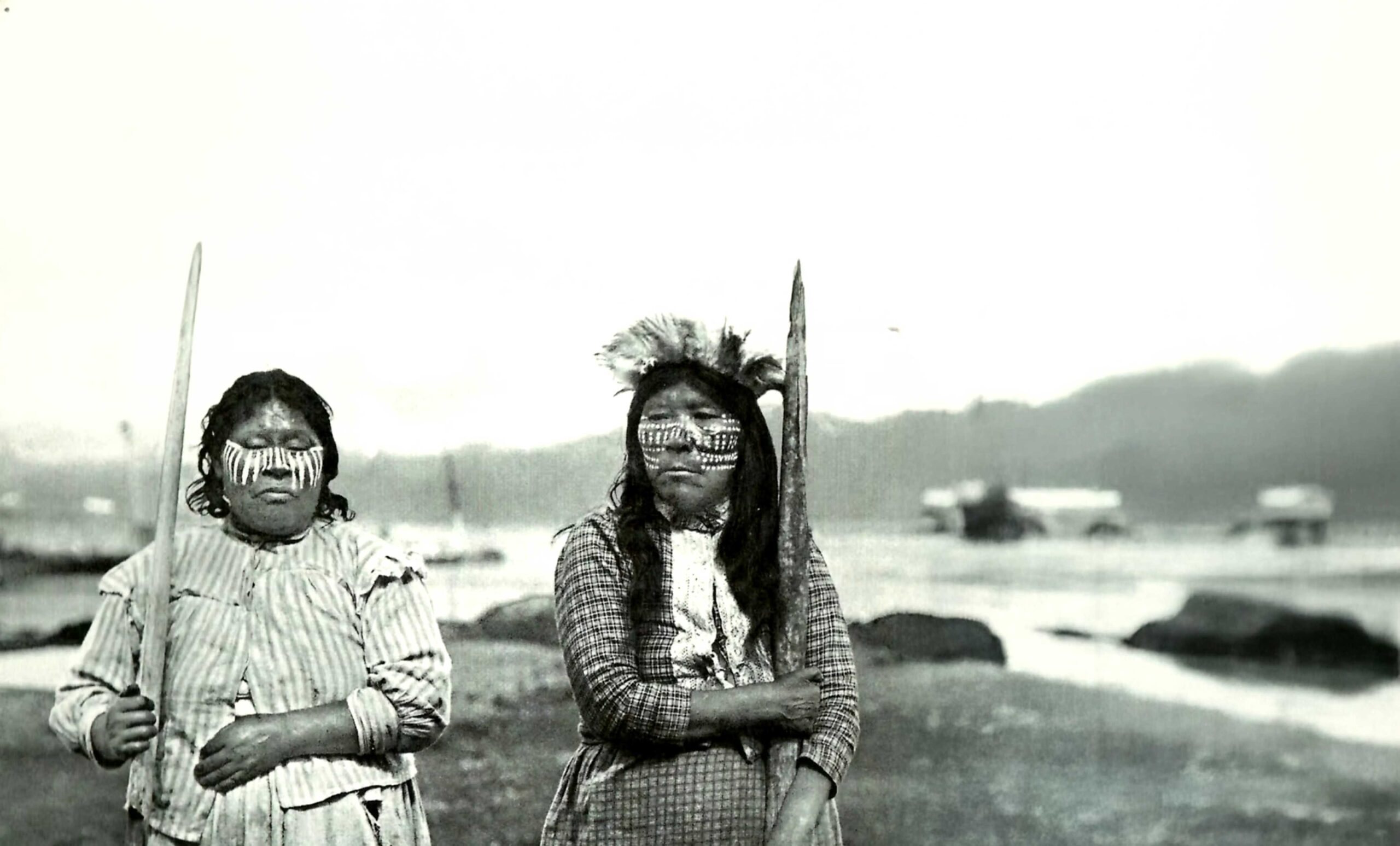
The history of the lake is closely linked to the settlement and development of Futaleufú. Long before the arrival of the settlers, these territories were traversed by indigenous peoples who used the mountain passes as trade routes and pathways for travel between both sides of the Andes. Subsequently, explorers, muleteers and settlers established livestock, forestry and agricultural activities that shaped the settlement of this part of Chilean Patagonia.
The name Lonconao is of Mapuche origin and has a profound meaning linked to the territory and the indigenous worldview. In Mapudungun, the word ‘lonko’ means ‘head’ or ‘chief’, whilst the term ‘nao’ is traditionally associated with the fox. Thus, the most widely accepted translation of the name is ‘fox’s head’, a designation that reflects the cultural and linguistic richness found in the place-names of southern Chile.
Geography and hydrology
The lake is approximately 3 to 4 kilometres long, stretching between gentle hills and native forests typical of the Andean Patagonia. One of its most distinctive features is its water source. Unlike many lakes in the area, it does not depend directly on glaciers or major meltwater streams, but is fed mainly by underground aquifers, natural springs and the infiltration of the abundant rainfall that characterises the region.
This contributes to the clarity of its waters and the natural balance of its ecosystem. The surrounding forests also play an essential role in water regulation, capturing rainwater, facilitating its infiltration into the groundwater table and continuously feeding the springs that flow into the lake.
As such, Lake Lonconao constitutes a natural reservoir of great importance for local biodiversity and for the environmental balance of the Futaleufú Valley, blending harmoniously with the terrestrial and aquatic ecosystems that characterise Chilean Patagonia.
Native flora
The lake’s natural environment is dominated by Patagonian temperate rainforest ecosystems. Among the most characteristic tree species are the coigüe, the lenga, the ñirre, the canelo, the maitén, the mañío, the tepa, the arrayán, the luma and various varieties of native cypresses. The undergrowth consists of quilas, ferns, mosses and numerous species adapted to the humid environments of Patagonia.
These forests play a vital role in soil conservation, water regulation and the maintenance of local biodiversity.
Fauna: birds, amphibians and fish
Lake Lonconao provides an ideal habitat for numerous bird species native to Chilean Patagonia. Among the most notable are the Andean condor, the black woodpecker, the chucao, the tagua, the run-run, the rayadito, the fio-fio, the southern bandurria, the Patagonian thrush and the kingfisher – species that find refuge in the forests, wetlands and lake shores of the area.
As for amphibians, the humid environments associated with the lake provide suitable conditions for iconic species of southern Chile, including Darwin’s frog (Rhinoderma darwinii), considered one of the world’s most unique and endangered species, and the four-eyed toad (Pleurodema thaul), commonly found in wetlands, forests and riparian areas of Patagonia.
As for fish, the lake is renowned for the quality of its recreational fishing. The most common species are introduced salmonids, mainly the rainbow trout (Oncorhynchus mykiss) and the brown trout (Salmo trutta), whose populations have successfully adapted to the cold, well-oxygenated waters of the Futaleufú basin.
Natural heritage, conservation and sustainable tourism
More than just a body of water, Lake Lonconao represents an important part of Futaleufú’s regional identity. The combination of crystal-clear waters, native forests, abundant wildlife and spectacular views of the mountain range forms one of the most iconic landscapes of Chilean mainland Patagonia.
The lake is set within an area of high environmental and scenic value, recognised for its importance to the conservation of Patagonian ecosystems and the development of nature-based tourism. Its location within a tourist area in the municipality of Futaleufú has made it possible to reconcile the protection of its natural resources with low-impact recreational activities, fostering a respectful relationship between people and the environment.
One of the most highly valued aspects of Lonconao is the preservation of the tranquillity of its waters and its lake ecosystem. Boating is carried out in accordance with low-environmental-impact criteria, prioritising quiet activities that are compatible with the conservation of the natural environment. As a result, the lake is widely recognised for its use of non-motorised boats and for the protection of its natural environment.
Among the most common activities are kayaking, stand-up paddleboarding (SUP), rowing, sailing and recreational fishing – activities that allow visitors to explore the lake quietly and sustainably, whilst appreciating the area’s biodiversity and scenic beauty. These activities represent a form of responsible tourism that contributes to the conservation of the natural heritage whilst strengthening the bond between visitors and local residents with one of the most unique lakes in Chilean Patagonia.
Protecting the waters of Lake Lonconao, alongside the conservation of its forests, wetlands and native wildlife, presents an ongoing challenge for present and future generations. Its ecological, cultural and scenic value makes it a benchmark for sustainable tourism and environmental conservation within the province of Palena and Chilean Patagonia.