Between Patagonia and the Alps
My first encounter with Patagonia came in 2000, during my years as an architecture student. Travelling south by hitchhiking, I worked as a guide and assisted horseback expeditions in the remote area of El Amarillo, near Chaitén. What began as a student adventure gradually evolved into something much deeper: a lifelong connection with Patagonia, its landscapes, its people, and the cultures that have shaped this territory for thousands of years.
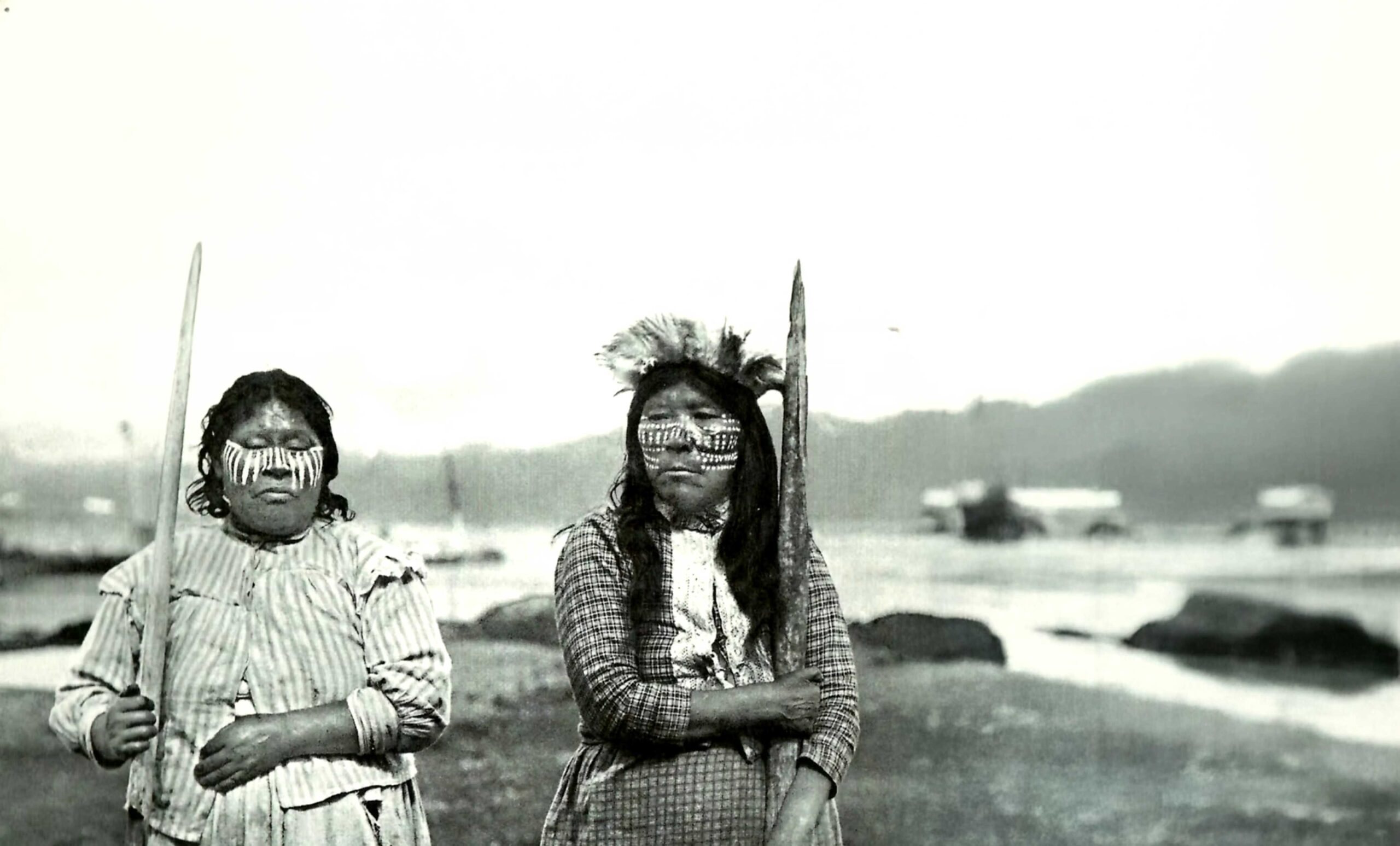
Over the years, I travelled extensively throughout Patagonia, exploring remote valleys, fjords, islands, and mountain regions. During those journeys, I became deeply fascinated by the culture of the Yagán people. The more I learned about their way of life, the more I admired their extraordinary ability to inhabit one of the most challenging environments on Earth.
Living among the channels and islands of Tierra del Fuego, the Yagán were nomads of the sea. They navigated an immense network of waterways while hunting, fishing, and gathering food along the coastline. Unlike most cultures, they spent much of their lives on the water, moving continuously between islands and fjords, seeking refuge on land only when weather conditions became exceptionally harsh.
What impressed me most was the ánan, the traditional Yagán canoe.
Far more than a simple vessel, the ánan was the centre of Yagán life and an essential part of their worldview. Built from large sheets of tree bark, carefully sewn together and waterproofed with moss, clay, and sea lion fat, it served simultaneously as transportation, shelter, and home. Protected from the powerful winds and storms of the southern channels, families travelled together with a small fire burning inside the canoe, where they cooked, shared stories, cared for their children, and gathered as a family.
The ánan accompanied them on their journeys, supported their hunting activities, and embodied a unique relationship between people and nature. Rather than separating them from their environment, it allowed them to inhabit it fully. It was a shelter that protected without disconnecting, a place where family, weather, water, and landscape became one.
Without fully realising it at the time, that image stayed with me.
Years later, Patagonia drew me back once again. I settled in the small town of Puerto Cisnes, where I worked as an architect for the local municipality. Those years allowed me to combine architecture and territory through community projects and infrastructure developed in some of the region’s most remote landscapes. Working closely with local communities, I discovered a way of practising architecture that extended far beyond the design of buildings.
Patagonia became home.
I spent years exploring its wilderness, photographing hidden corners, and building friendships that continue to this day. These experiences eventually evolved into Matices de la Patagonia, a photographic project that was later published and shared throughout the local community.
During that same period, Marie, my girlfriend, was living in Austria. We maintained a long-distance relationship and every few months we would meet—either in Patagonia or in the Austrian Alps—exploring remote landscapes, sharing adventures, and imagining the possibility of finding a place we could one day call our own.
Between Chile and Austria
Eventually, I moved to Austria, where Marie and I settled among lakes and alpine landscapes.
Although life brought us to Europe, Patagonia never truly left us.
Our lives became a continuous journey between Chile and Austria. Over time, we realised we were searching for a place that combined everything we loved: mountains, water, wilderness, and a deep connection to nature.
A place where we could ski in the morning, walk through forests in the afternoon, and end the day beside a lake.
When we first arrived at Lake Lonconao, we immediately knew we had found it.
Building a Refuge
Our original idea was simple: to build a mountain refuge on the shores of Lake Lonconao.
Marie, like me, is an architect, and we approached the project as a creative collaboration. It began as an informal competition between our individual ideas and visions. The final design emerged as a synthesis of both perspectives—a wooden retreat carefully crafted to belong to its surroundings rather than dominate them.
The entire project was developed from Austria.
Marie prepared the drawings, technical documentation, and construction details, thoughtfully designing every component to make building in such a remote location as efficient as possible.
In December 2018, we returned to Chile to transform that vision into reality.
Materials were sourced from different parts of the world. Timber and construction supplies were purchased in Los Ángeles and transported south by truck—eighteen tonnes in total. The windows arrived from Germany, while specialised membranes, fasteners, and construction systems came from Italy.
Construction began in January 2019.
Learning Through Building
Building in a remote Patagonian landscape required patience, creativity, and a willingness to adapt.
During the first summer, we welcomed architecture students from Chile, Austria, and France, as well as friends from around the world who joined us in this adventure. Together, we spent weeks building, learning, sharing experiences, and improvising on site.
In just over a month, we completed the entire exterior envelope of the refuge.
Many challenges had to be solved directly in the field. We carried out much of the work ourselves and constantly adapted to the realities of building far from cities, suppliers, and specialised equipment.
When summer ended, we left with a deep sense of satisfaction and anticipation.
Then came the first winter.
The refuge endured without issue.
The following season, we returned to complete the insulation, heating systems, and interior finishes.
The Winter That Changed Everything
During the pandemic, the refuge finally fulfilled its original purpose.
It became our home.
Together with our three-month-old daughter, we spent many months, including a long Patagonian winter, on the shores of Lake Lonconao. Those months gave us something we had never expected: time.
Time as a family.
Time to understand the rhythms of the forest and the lake.
Time to experience the changing seasons from a single place.
Time to reconnect with nature.
What began as an architectural project gradually became something far more meaningful.
The silence, the landscape, and the simplicity of daily life made us rethink what Yagan could become.
From Refuge to Retreat
The refuge remained our basecamp—a place to welcome family and friends.
Gradually, however, we began to imagine how others might experience the same connection with Patagonia that had shaped our lives for so many years.
From that idea, Yagan was born.
Inspired by the relationship the Yagán people had with nature, water, and shelter, we designed two cabins nestled between the native forest and the shoreline of Lake Lonconao.
Built primarily from timber and carefully positioned within the landscape, the cabins were conceived as a quiet dialogue between architecture and nature. Their design draws inspiration from the simplicity, adaptability, and deep respect for place that characterised the Yagán way of life.
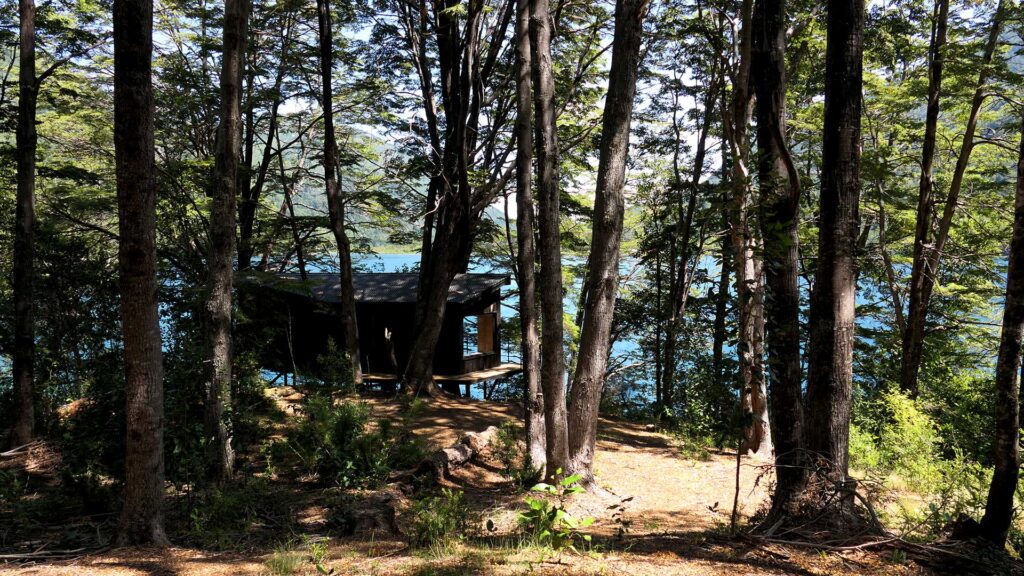
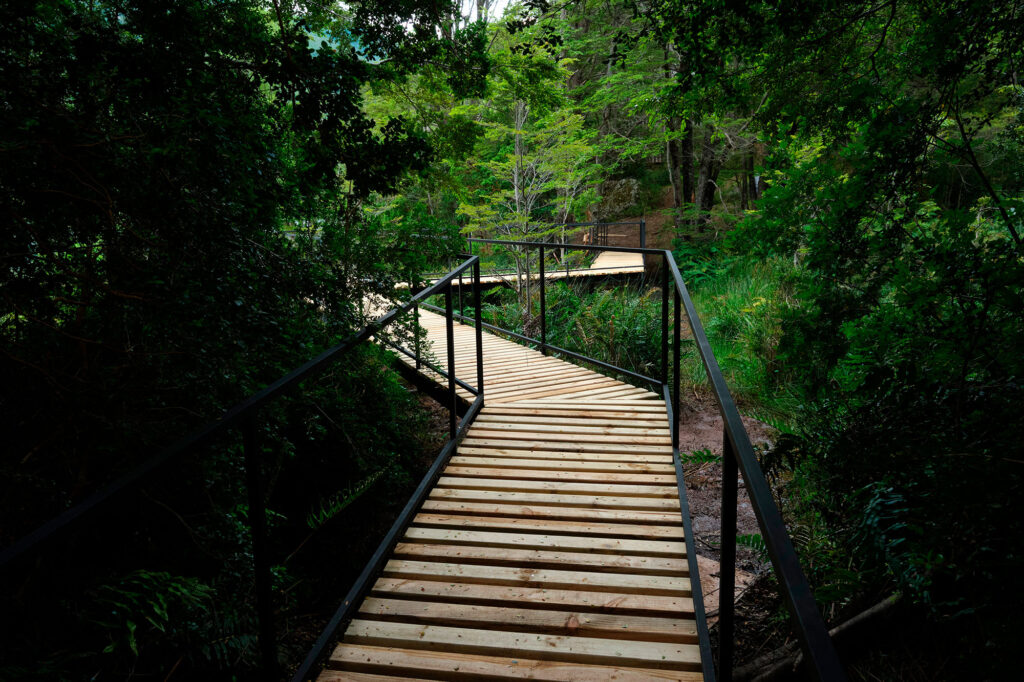
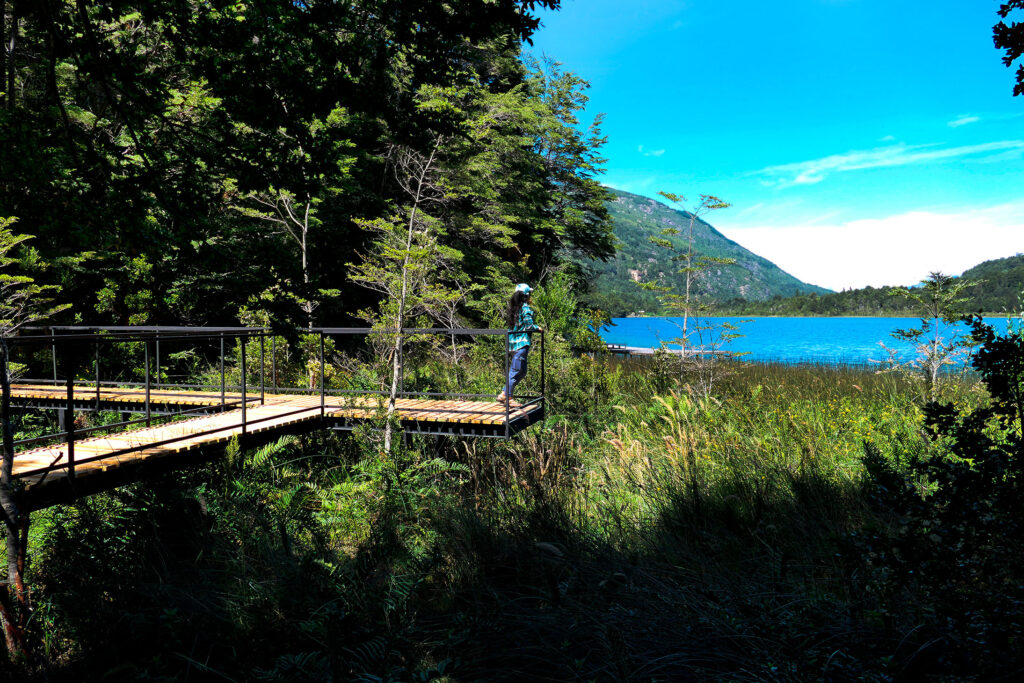
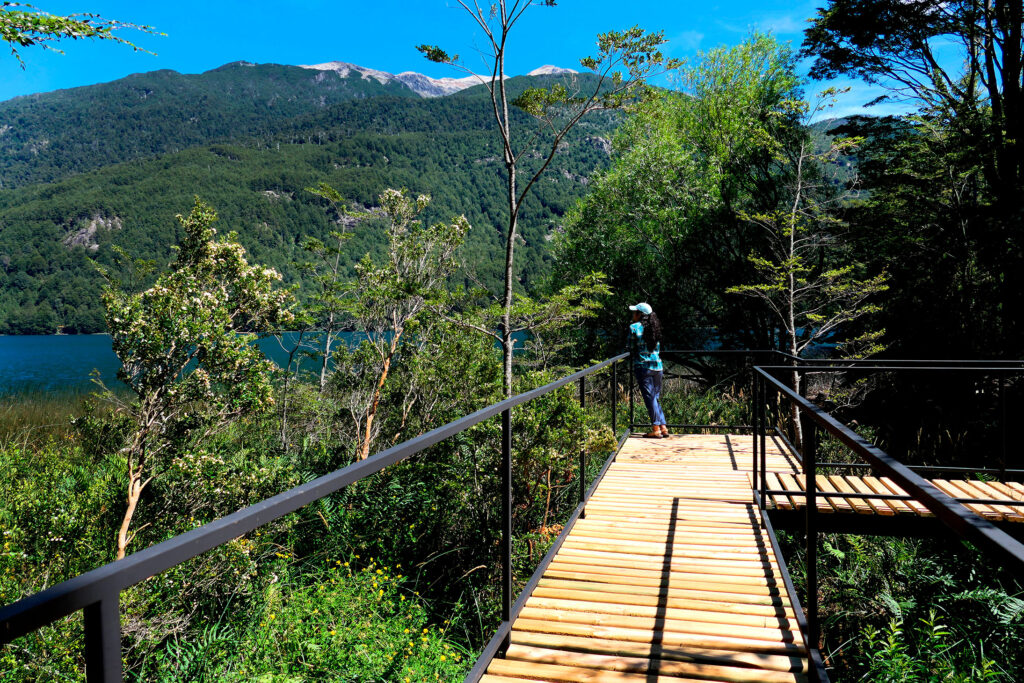
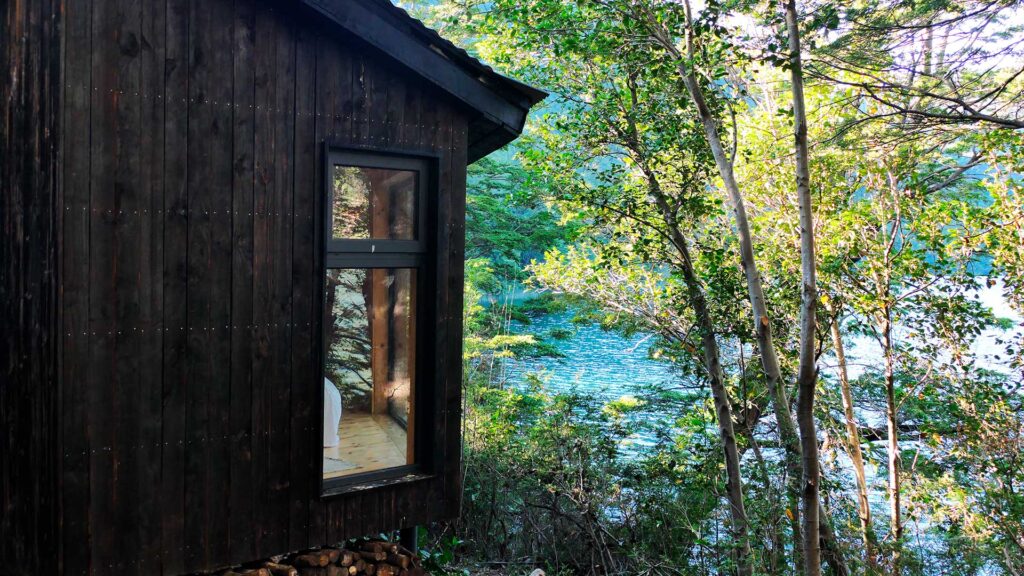
The connection feels especially meaningful here. The forest surrounding Yagan is dominated by coihue, one of Patagonia’s most emblematic native trees. Standing among these forests, we are constantly reminded of the ingenuity with which the peoples of Patagonia used the materials provided by their environment to create shelter, tools, and ways of life deeply connected to nature.
Like the ánan, the cabins were conceived as places of refuge that offer protection while maintaining a close relationship with the surrounding landscape. Spaces designed not to dominate nature, but to belong to it.
Rather than imposing themselves on their surroundings, they were designed to disappear into them.
Yagan Today
Today, Yagan remains a project shaped by two continents, a shared passion for architecture, and a lifelong connection to Patagonia.
What began as a personal refuge has evolved into a small private retreat immersed in native forest on the shores of Lake Lonconao.
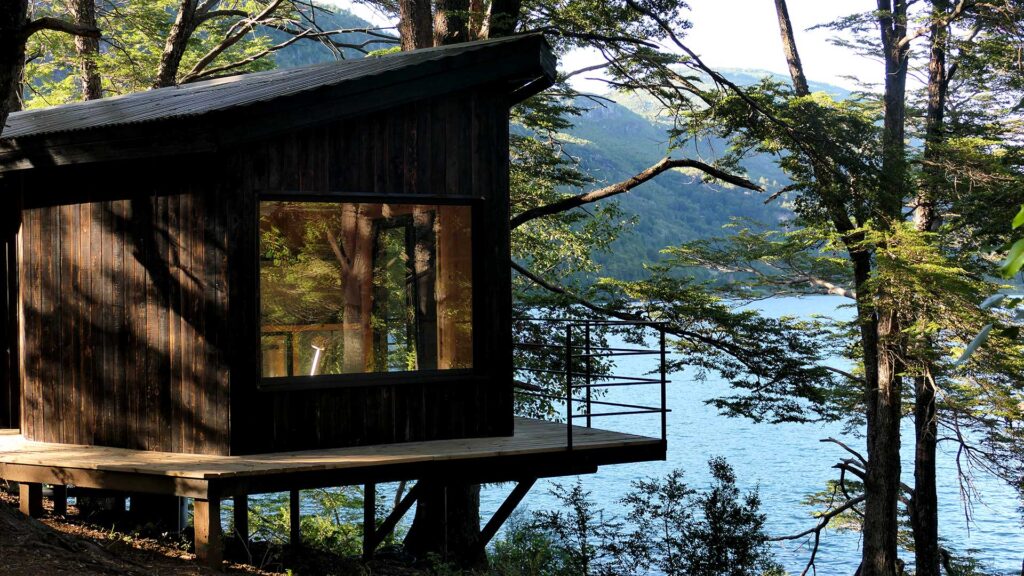
A place where architecture, landscape, and silence coexist.
A place between forest and water.
A place created for those seeking to slow down, disconnect from the pace of everyday life, and reconnect with nature.
What began as our refuge has become an invitation to experience Patagonia differently.
Welcome to Yagan.